News
Mershon affiliates receive NSF award to develop international database
Mershon affiliates Craig Jenkins, senior research scientist and professor emeritus of sociology, along with Maciek Slomczynski, professor emeritus of sociology, and Irina Tomescu-Dubrow, visiting…
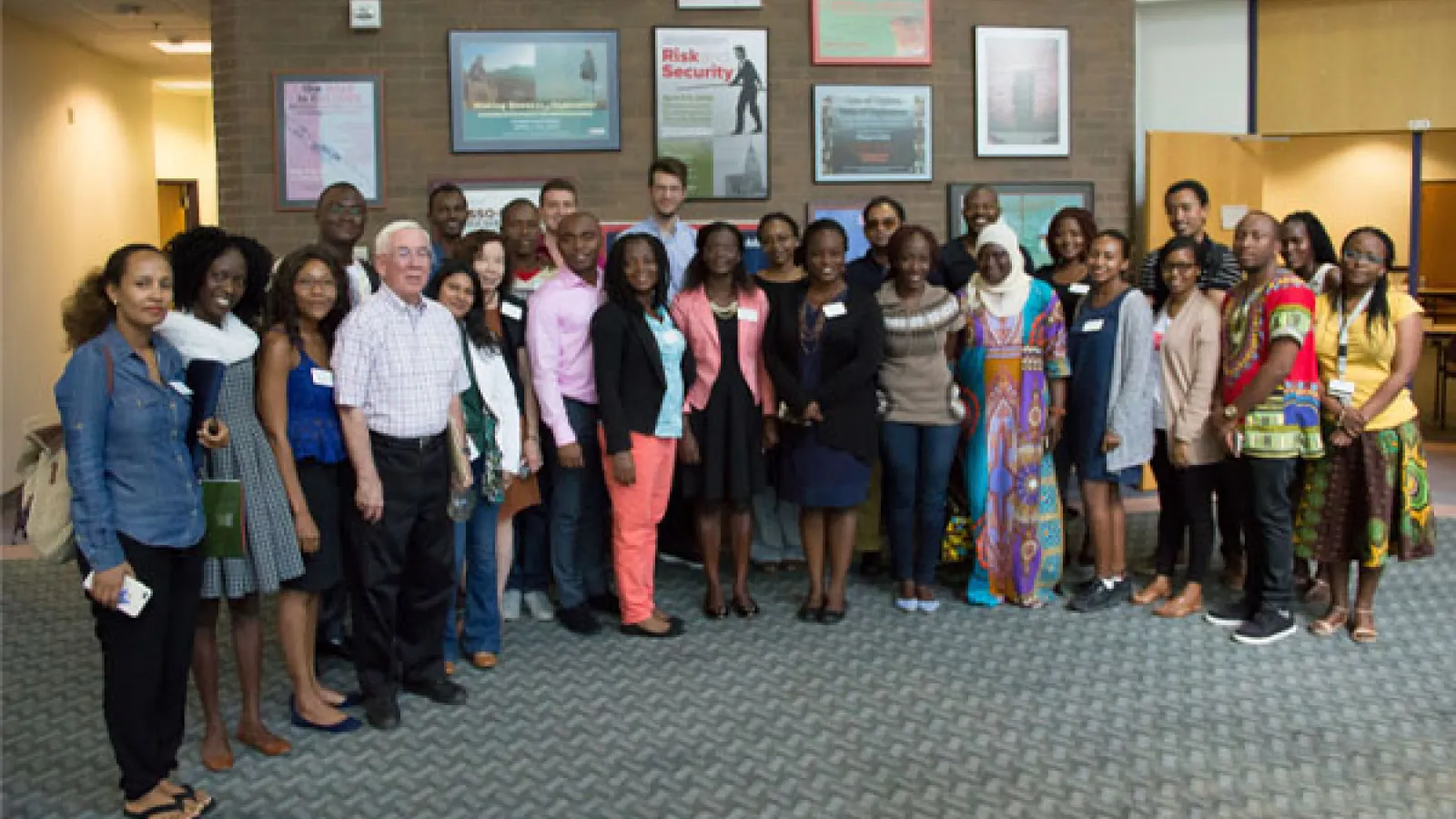
Mandela Washington Fellows visit Mershon
Twenty-three Mandela Washington Fellows visited the Mershon Center on July 18, 2017, to speak with faculty members Rick Herrmann, Paul Beck, Vladimir Kogan and Alex Acs. Faculty briefed the…
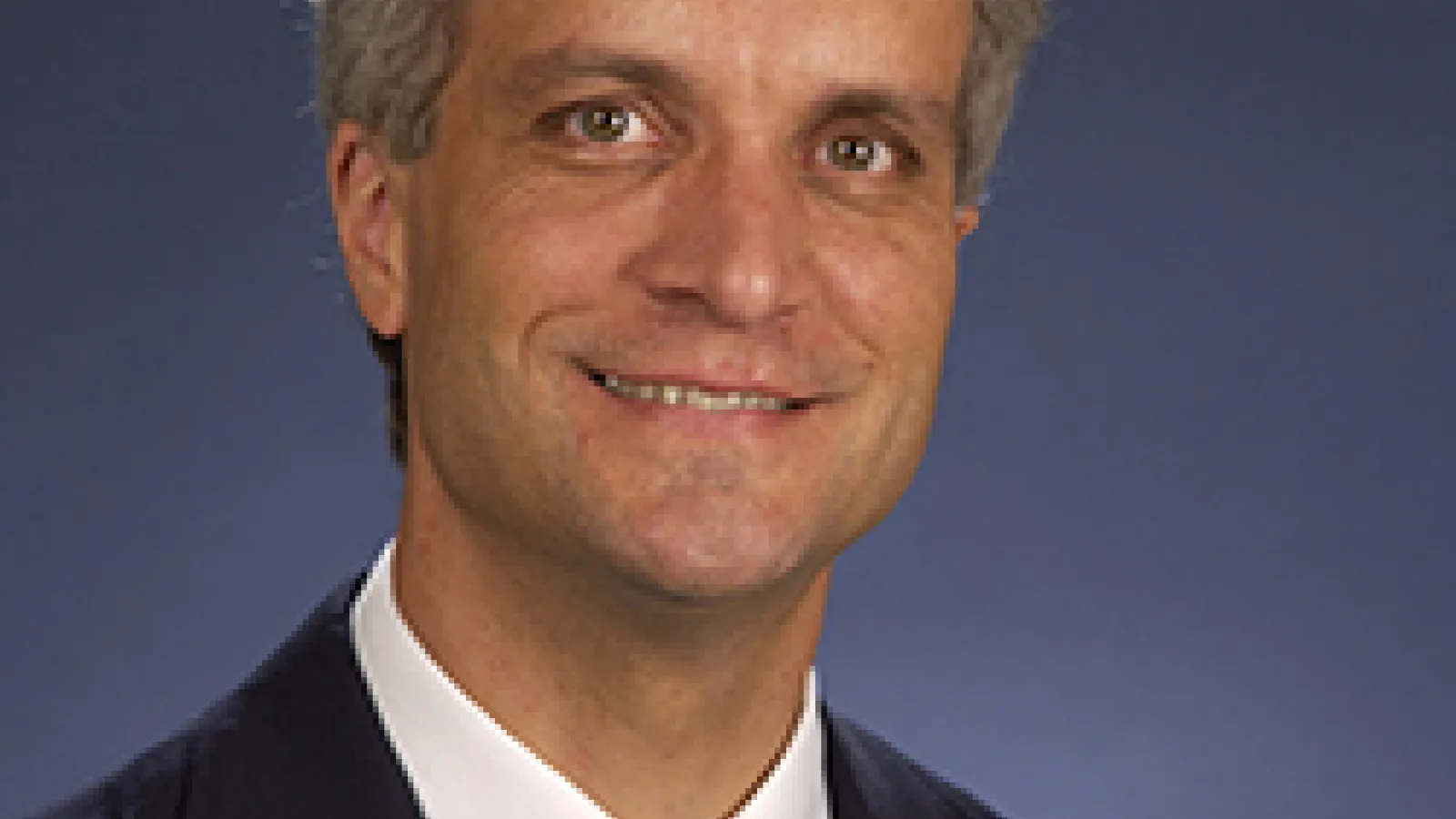
Hahn wins Distinguished Service Award
Peter Hahn, professor of history and divisional dean for the arts and humanities, was honored by the Society for Historians of American Foreign Relations (SHAFR) with its first Distinguished…
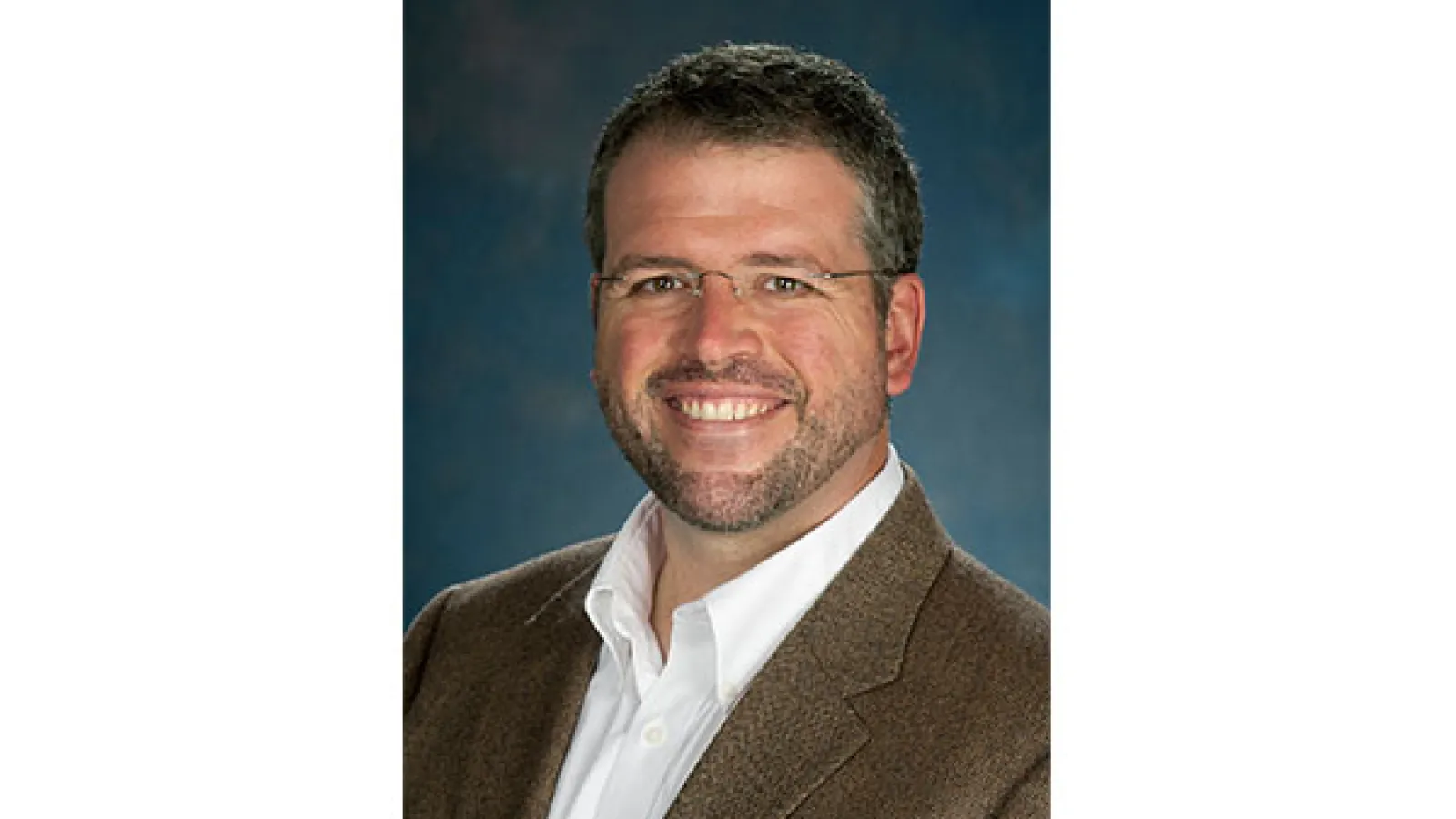
Where climate change is most likely to induce food violence
Study finds capable governments more important than weather
COLUMBUS, Ohio – While climate change is expected to lead to more violence related to food scarcity, new research suggests that the…
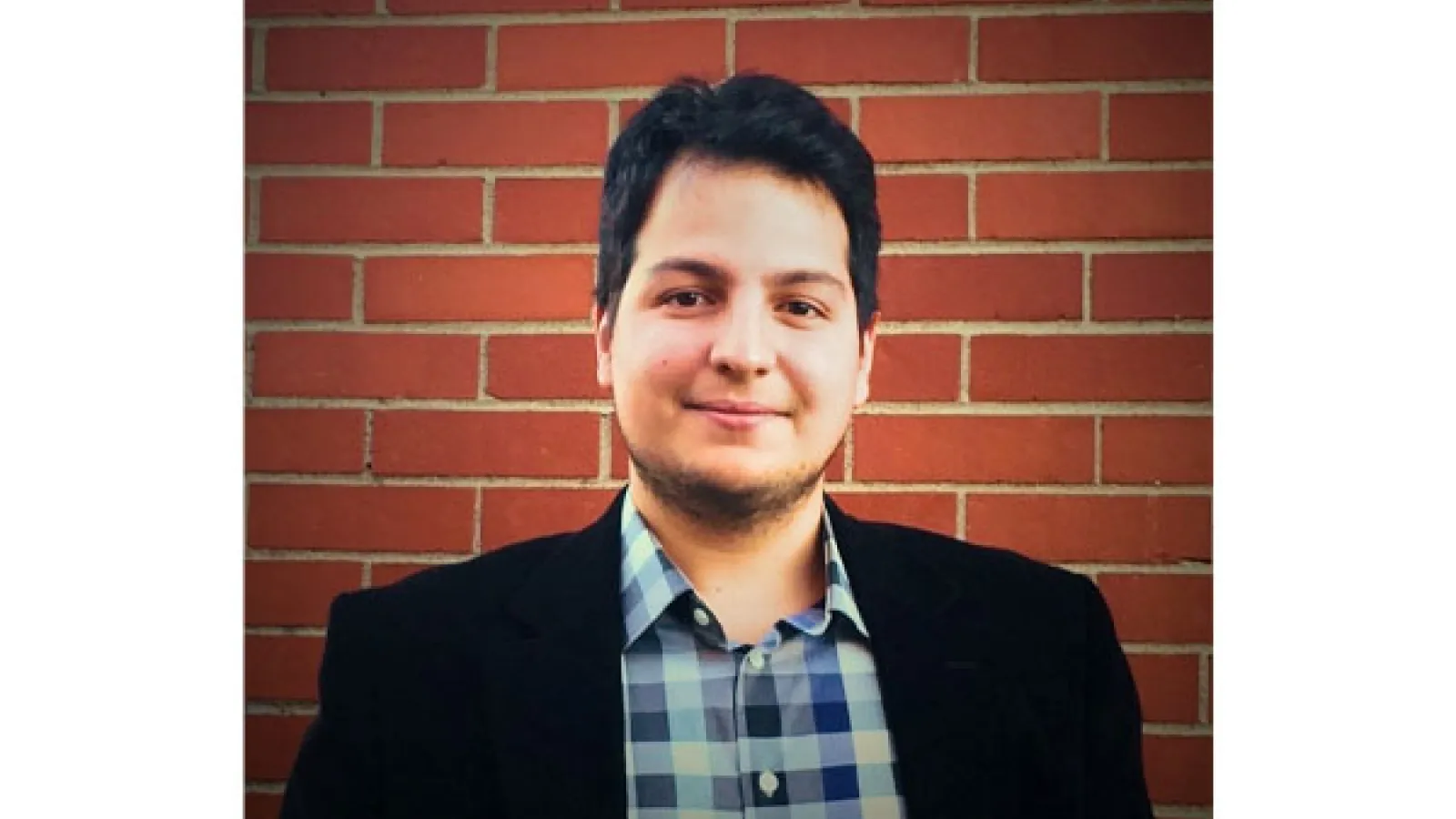
Tokdemir joins Mershon Center as visiting scholar
The Mershon Center has a new visiting scholar for 2017-18 academic year: Efe Tokdemir, a postdoctoral fellow with International Studies Association’s James N. Rosenau Fellowship, who will be…
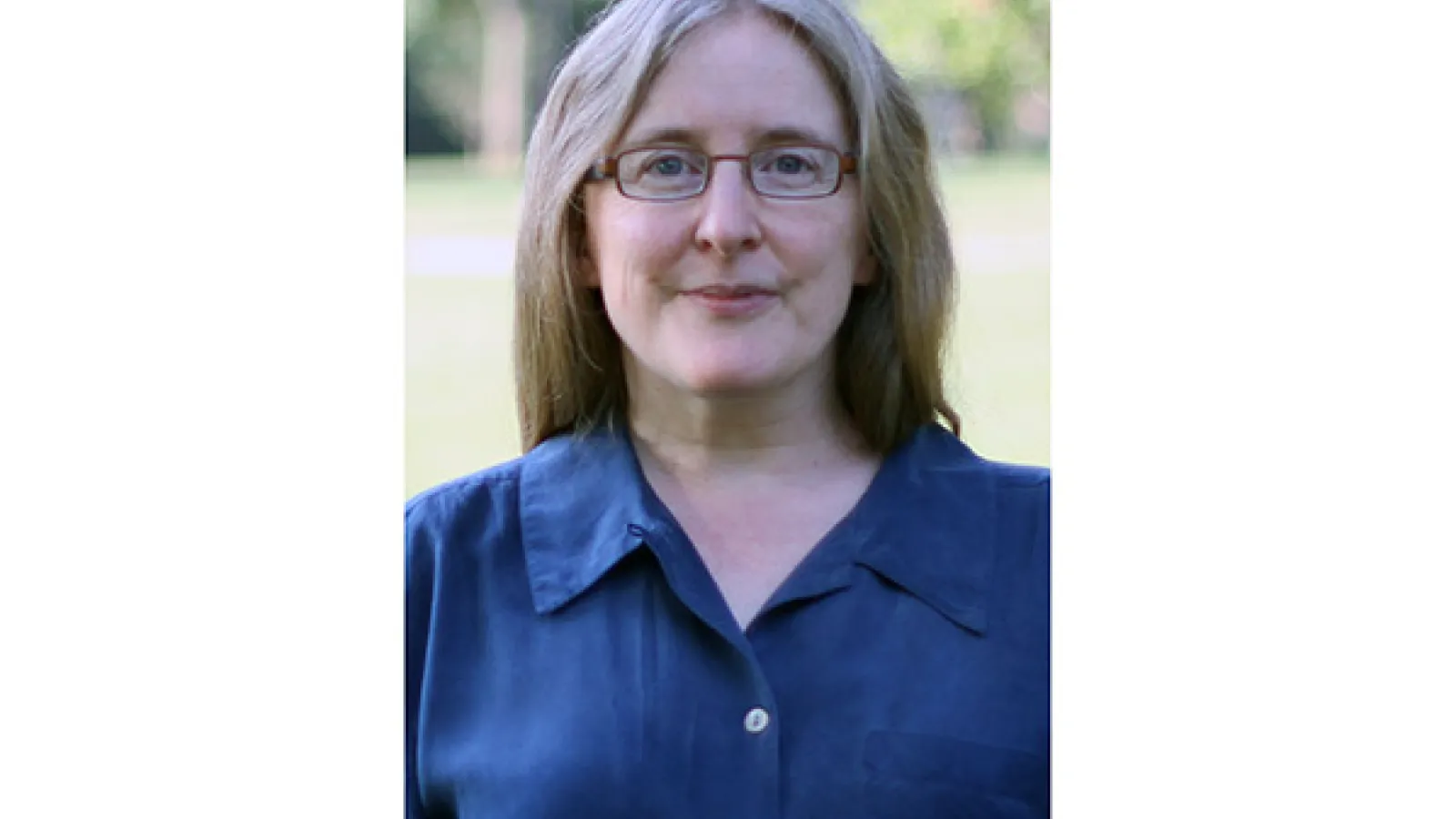
Do Folklore and Security Studies Mix? Mershon Affiliate Says Yes
Mershon affiliate Dorothy Noyes, professor of English and comparative studies, has published a new book: Sustaining Interdisciplinary Collaboration: A Guide for the Academy (University of…
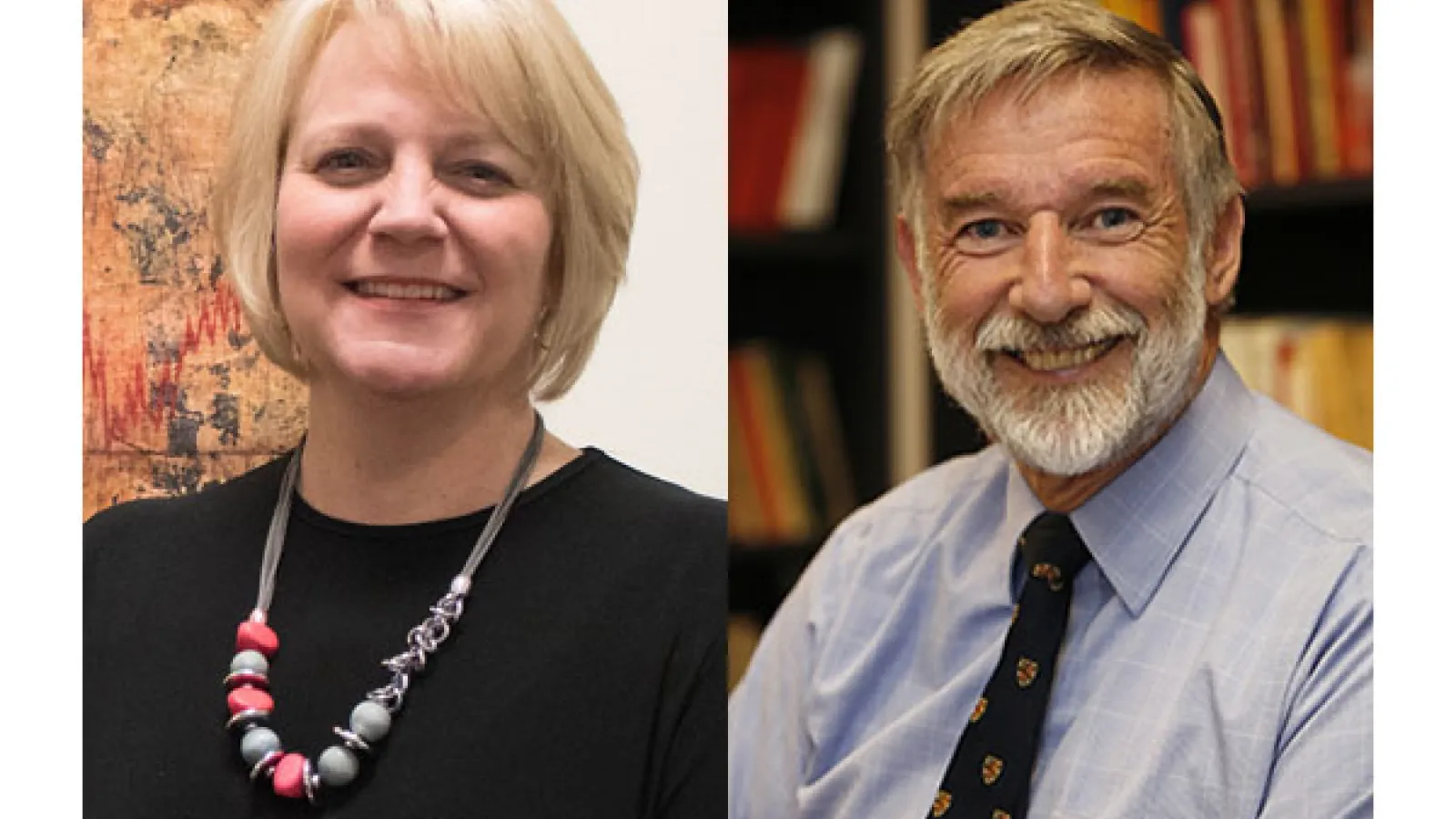
Two Mershon Affiliates Named to American Academy of Arts and Sciences
Last week the American Academy of Arts and Sciences announced the election of 228 new members, including some of the world's most accomplished scholars, scientists, writers, artists, as well as…
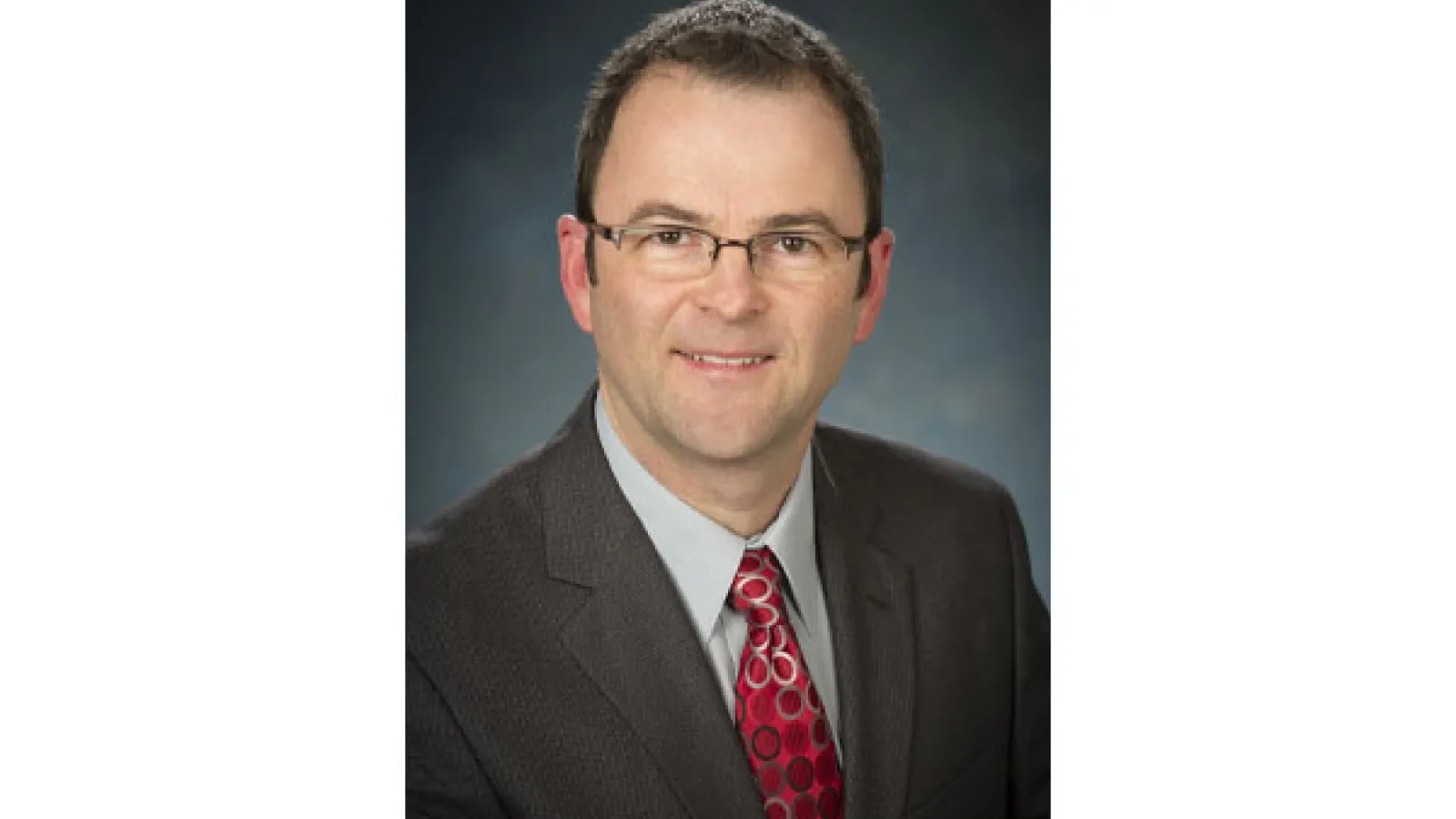
Conference to Explore War, Media and Public Opinion
One of our most important duties as citizens is to form attitudes and opinions that may help guide American decisions about the use of military force. This duty became even more important as the…
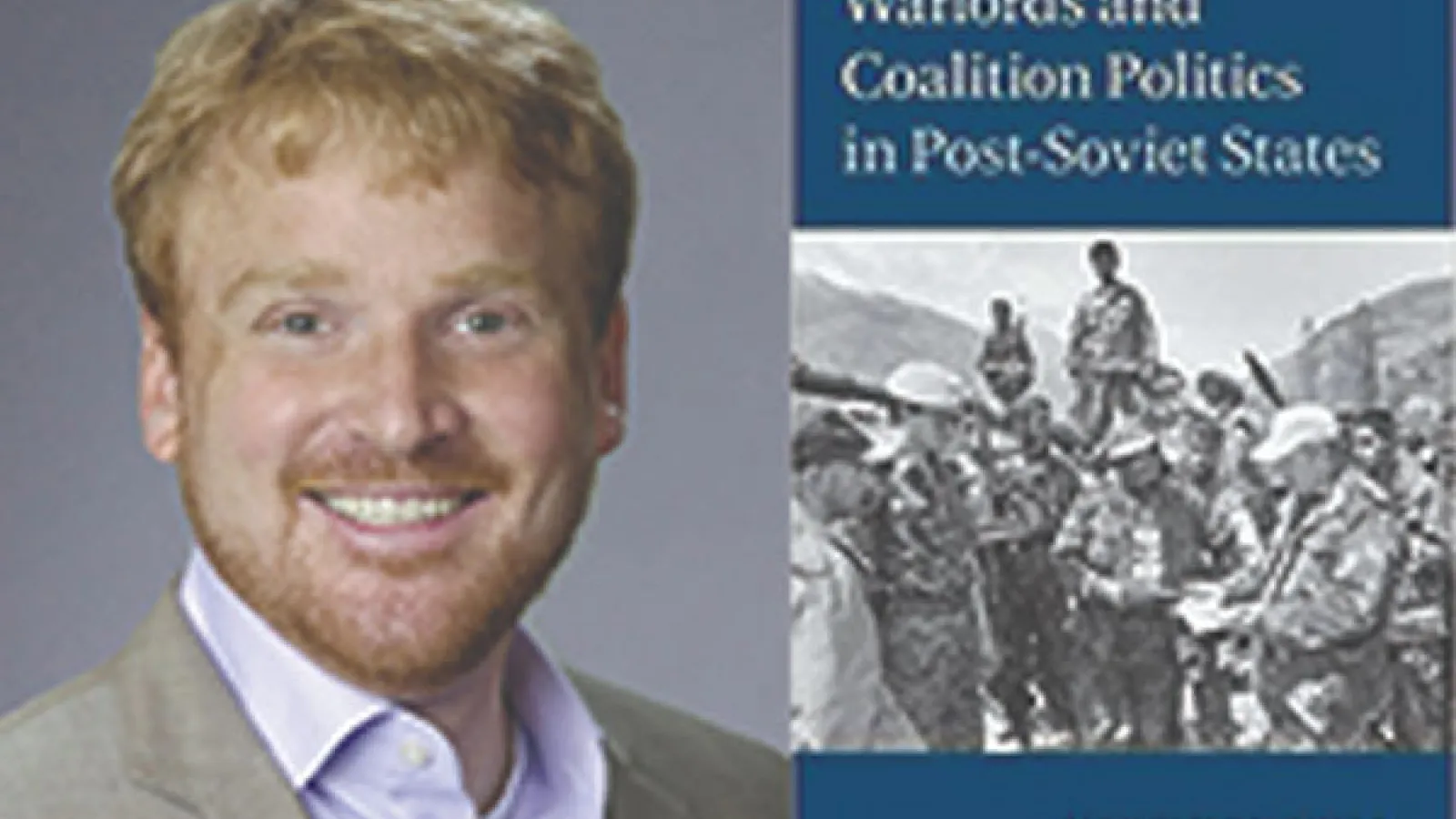
Driscoll Wins Furniss Award for 'warlords and Coalition Politics'
The breakup of the Soviet Union was unexpected and unexpectedly peaceful. Although a third of the new states fell into violent conflict, anarchy was soon brought under control. What explains this…