Programs

Projects conducted or funded the Mershon Center for International Security Studies (Mershon Center) explore the human and social dimensions of complex security challenges. Mershon supports projects that through research and engagement, reframe the big issues and create new models for ground-level problem-solving.
Our projects convene faculty and students from all fields involved analytically and/or practically with diplomacy, conflict, peacebuilding, governance, and cooperative problem-solving. Some Mershon projects, such as Divided Community Project and Transitioning from Violence, foster conversation with practitioners and policymakers. Other Mershon projects, such as the Comparative National Elections Project, study citizen voting behavior and attitudes.
Ongoing Mershon projects include Comparative National Elections Project, Divided Community Project, Program for the Study of Realist Foreign Policy, and VIEW: Violence, Ideology, and Extremism Working Group. Past projects include Federalism, Cultural Identity, and Insecurity in Nepal; Promoting Women, Peace, and Security in Burundi; Transitioning from Violence; and Armed Conflict and Im/Mobility.
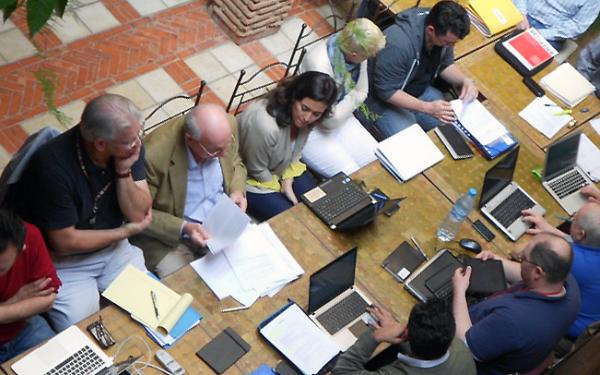
The Comparative National Elections Project (CNEP) is a multi-year, multi-country examination of citizen voting behavior and attitudes in democracies around the world.
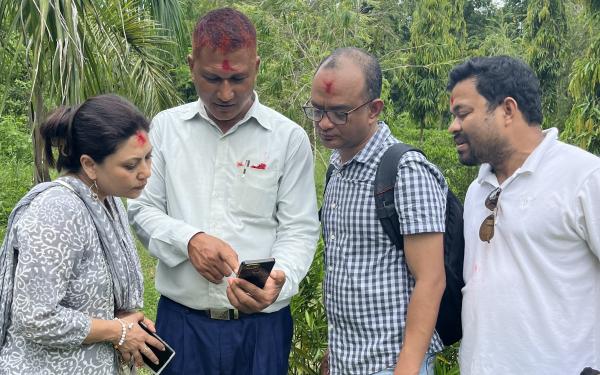
Federalism, Cultural Identity, and Insecurity in Nepal was a collaboration with International Alert Nepal that included a peace audit of Nepal’s progress on its 2015 Constitutional commitments to address political and social exclusion.
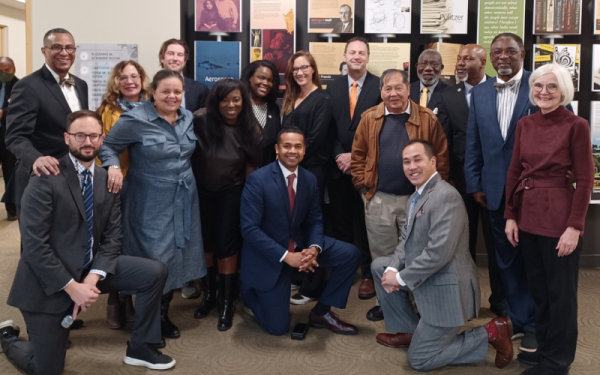
The Divided Community Project (DCP) provides dispute resolution and systems-design expertise to help local community and university leaders enhance community resiliency and prepare for and respond to events that polarize their communities.
The Comparative National Elections Project (CNEP) is a multi-year, multi-country examination of citizen voting behavior and attitudes in democracies around the world.
Federalism, Cultural Identity, and Insecurity in Nepal was a collaboration with International Alert Nepal that included a peace audit of Nepal’s progress on its 2015 Constitutional commitments to address political and social exclusion.
The Divided Community Project (DCP) provides dispute resolution and systems-design expertise to help local community and university leaders enhance community resiliency and prepare for and respond to events that polarize their communities.
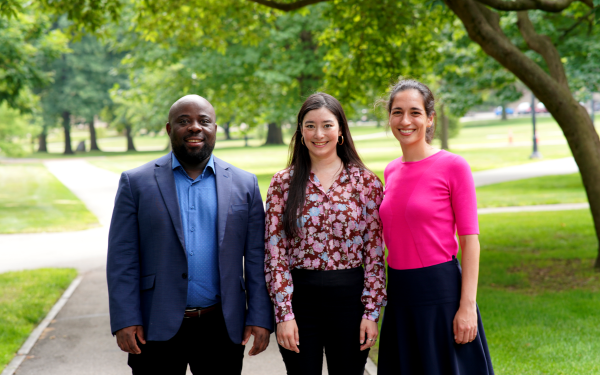
Mershon postdoctoral scholars support research related to international, national, and human security in a global context.
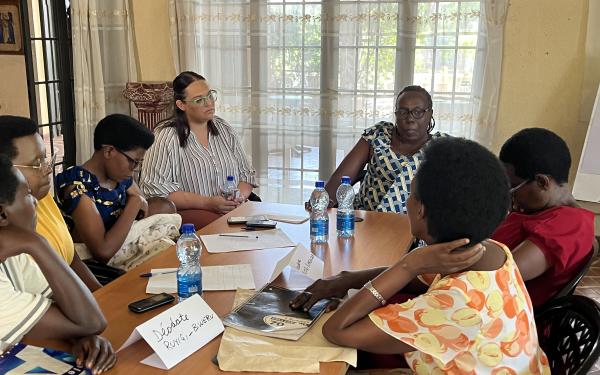
The Promoting Women, Peace, and Security in Burundi project focused on strengthening programs and policies that address the systematic exclusion of marginalized women from public and decision-making spaces.
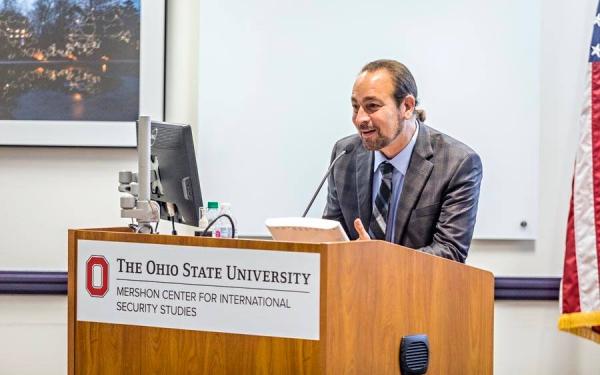
The Program for the Study of Realist Foreign Policy explores three dimensions of the politics, policy making, and statecraft of U.S. national security issues.
Mershon postdoctoral scholars support research related to international, national, and human security in a global context.
The Promoting Women, Peace, and Security in Burundi project focused on strengthening programs and policies that address the systematic exclusion of marginalized women from public and decision-making spaces.
The Program for the Study of Realist Foreign Policy explores three dimensions of the politics, policy making, and statecraft of U.S. national security issues.
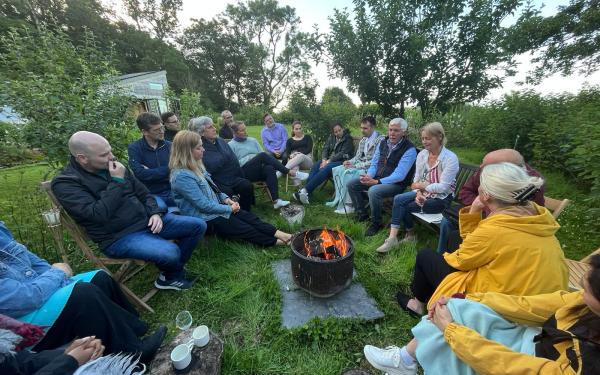
The Transitioning from Violence (TfV) international consortium catalyzes scholars, policymakers, and practitioners to support communities in transition.
The Violence, Ideology, and Extremism Working Group (VIEW) explores the multifaceted aspects of violence, ideology, and extremism across a wide range of disciplines.
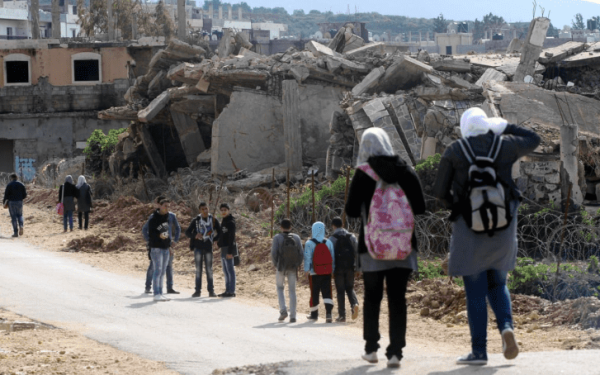
The goal of Armed Conflicts and I(m)Mobility is two-fold: to explore how armed conflicts impact migration and to investigate how civilian populations survive.
The Transitioning from Violence (TfV) international consortium catalyzes scholars, policymakers, and practitioners to support communities in transition.
The Violence, Ideology, and Extremism Working Group (VIEW) explores the multifaceted aspects of violence, ideology, and extremism across a wide range of disciplines.
The goal of Armed Conflicts and I(m)Mobility is two-fold: to explore how armed conflicts impact migration and to investigate how civilian populations survive.